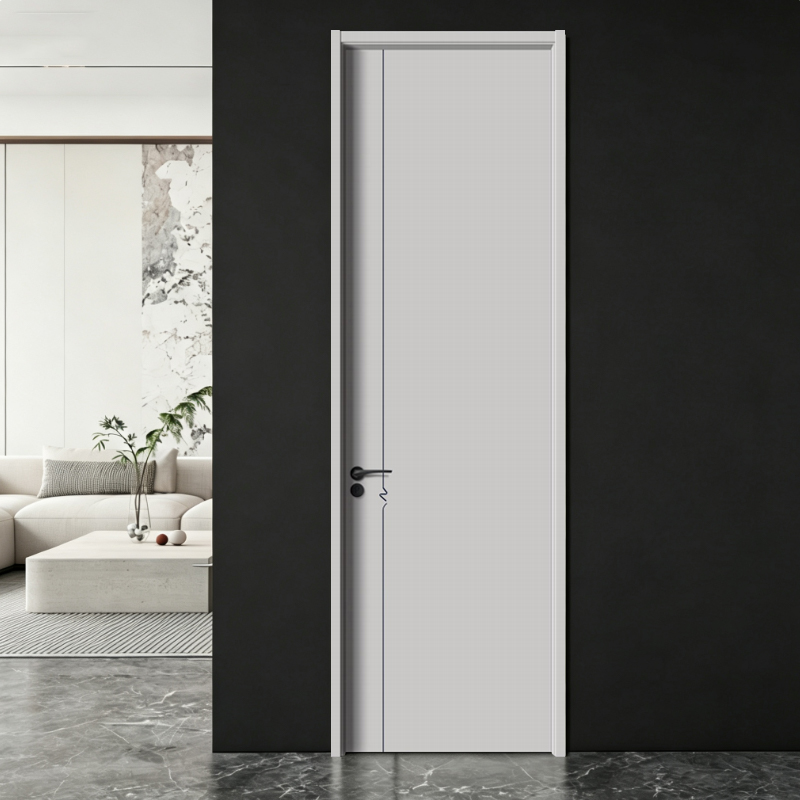
I believe many people only know that
Zero Formaldehyde Doors are green, healthy, environmentally friendly, and eco-friendly products, but they don't know what the materials used to make Zero Formaldehyde Doors are, thinking that they are made of pure wood. What are the materials used to make spicy Zero Formaldehyde Doors?
Zero Formaldehyde Doors should not destroy the entire ecosystem or misuse wood. Instead, they should consider the overall ecological situation and select materials that are artificial, composite, and recyclable, which are harmless to nature.
The majority of
Simple Style Zero Formaldehyde Doors on the market refer to aluminum wooden doors, with door frames made of technical aluminum magnesium titanium alloy material and surface treated with anodizing, which has a certain degree of hardness and therefore has certain improvements in wear resistance, pressure resistance, deformation resistance, and decolorization resistance, with a longer service life than ordinary wooden doors.
As for the storefront material, different materials were used, including imported metal plates, polymer organic plates, imported decorative panels, and leather.
In short, no matter what material is used to make Simple Style Zero Formaldehyde Doors, they must be composite and pollution-free, striving for environmental protection. In order to protect the ecological situation, we advocate that everyone choose Zero Formaldehyde Doors.
What are the dimensions of an Simple Style Zero Formaldehyde Doors and what requirements must it meet to be considered an Simple Style Zero Formaldehyde Doors? Does the country currently have a standard for Zero Formaldehyde Doors.
The important characteristic of Zero Formaldehyde Doors is ecological and environmental protection, which has no disadvantages to our human body. The material of the storefront is a crucial factor in ecological wood and environmental protection. Although different companies use different materials, they all meet the E1 or E0 standards required by the country in order to ensure the standards of human health, ecological and environmental protection for home furnishings.